Greece offers one of the clearest illustrations anywhere in the world that adaptive reuse is not a recent sustainability concept but an ancient and continuing practice with profound modern relevance.
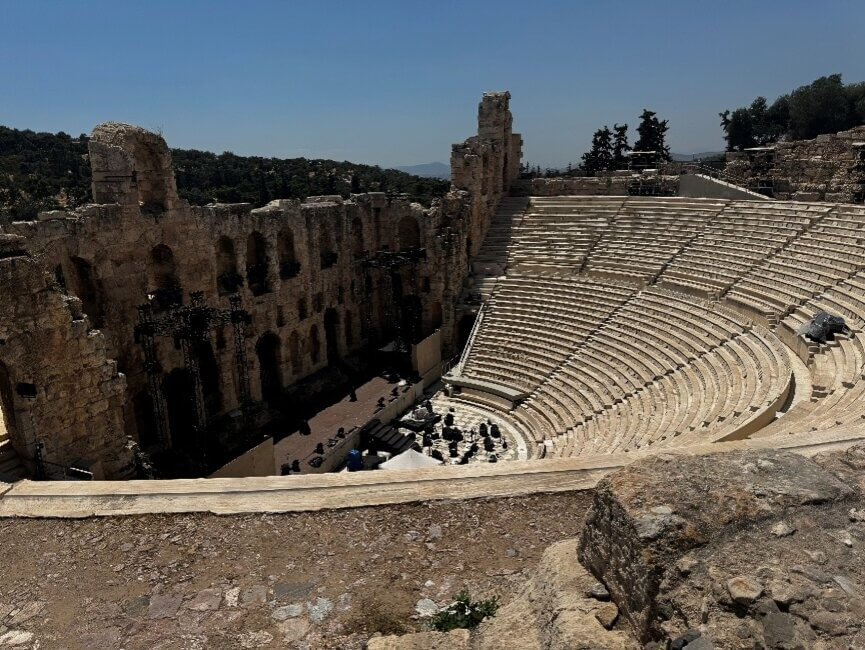

Greece offers one of the clearest illustrations anywhere in the world that adaptive reuse is not a recent sustainability concept but an ancient and continuing practice with profound modern relevance.

Four connected articles on methodology, precedent, the secondary market, and donor diligence in charitable deconstruction donations.

Non-cash charitable donations of deconstructed building materials offer one of the few places in the Internal Revenue Code where sound environmental practice and tax policy align directly.

On May 20, 2026, the United States House of Representatives passed the 21st Century ROAD to Housing Act (H.R. 6644) by a vote of 396 to 13.
Across the United States, donors are diverting tens of thousands of pounds of building materials, appliances, fixtures, furniture, and other commercial and residential content from landfills each week through donation to qualified 501(c)(3) charitable organizations.
No two days at The Green Mission look quite alike, and that is precisely the point. On any given morning, my team might be preparing a quote for a national sports franchise donating an entire arena’s worth of property, while simultaneously fielding requests from a homeowner in Hawaii clearing out a kitchen before demolition.
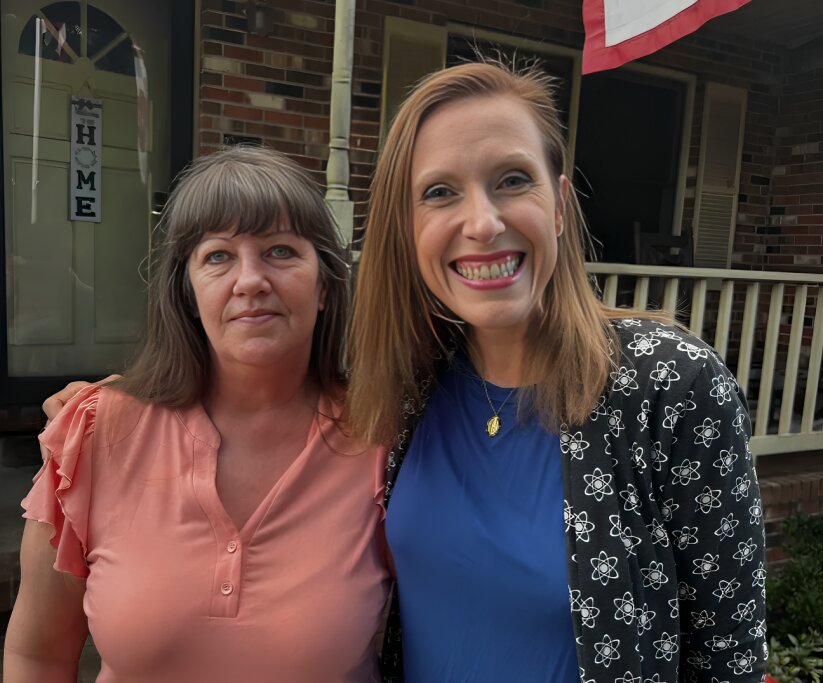
We didn’t chase the future. We built it: quietly, deliberately, and on our own terms.” Jessica and Jennie

Every year, large corporations quietly shed millions of square feet of office space, close manufacturing plants, consolidate distribution hubs, and retire data centers.
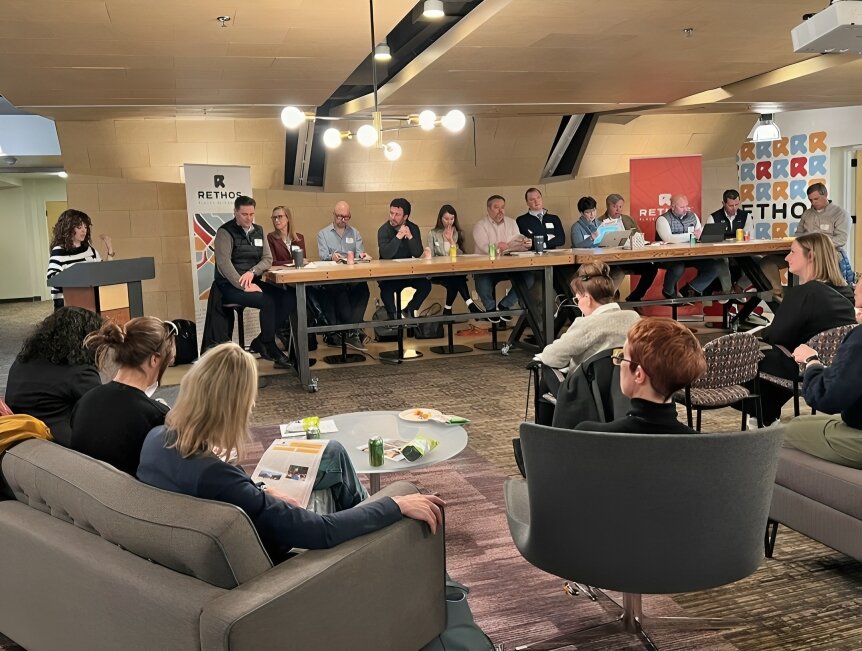
As I begin my second term on the Board of Directors of Rethos now serving as Treasurer, I find myself at a unique vantage point.
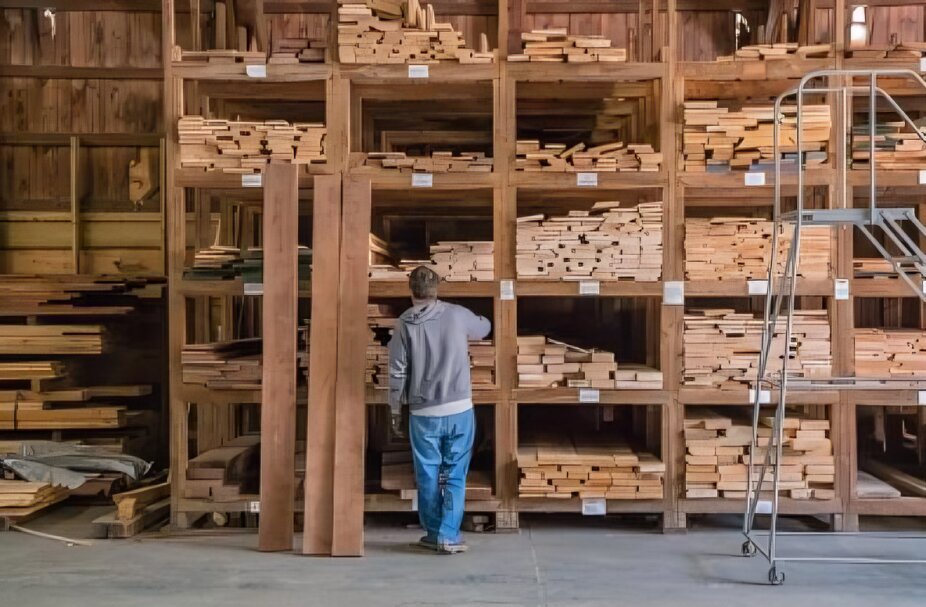
We have a unique insight into the reclaimed building materials market, specifically lumber, as we value these materials at IRS-defined Fair Market Value for noncash charitable donation purposes.