Discover how Lynchburg, VA, revitalized its downtown through historic preservation, adaptive reuse, sustainable construction, and the restoration of landmark buildings.
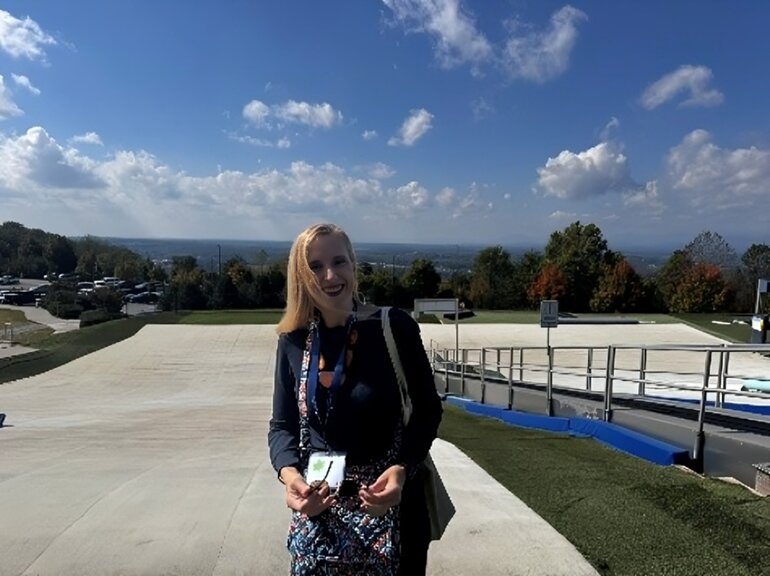

Discover how Lynchburg, VA, revitalized its downtown through historic preservation, adaptive reuse, sustainable construction, and the restoration of landmark buildings.
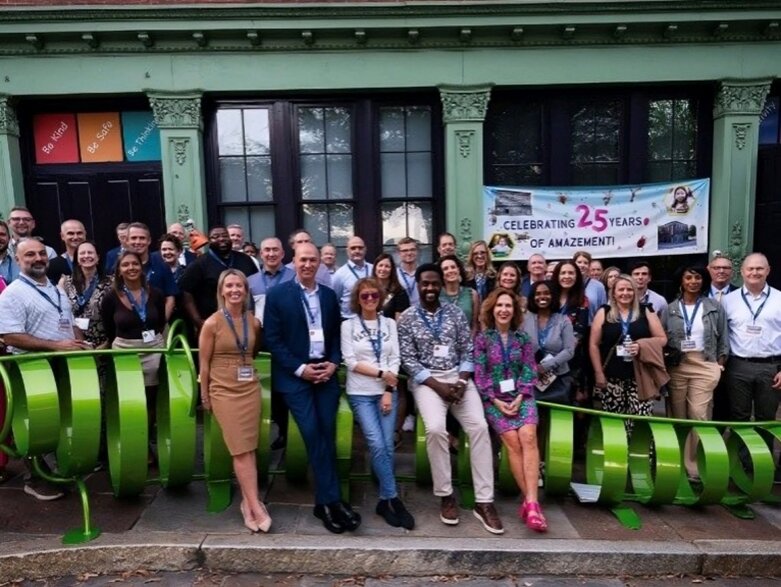
Discover historic preservation lessons from Lynchburg, Virginia, including sustainable restoration, reclaimed building materials, and preserving historic properties.
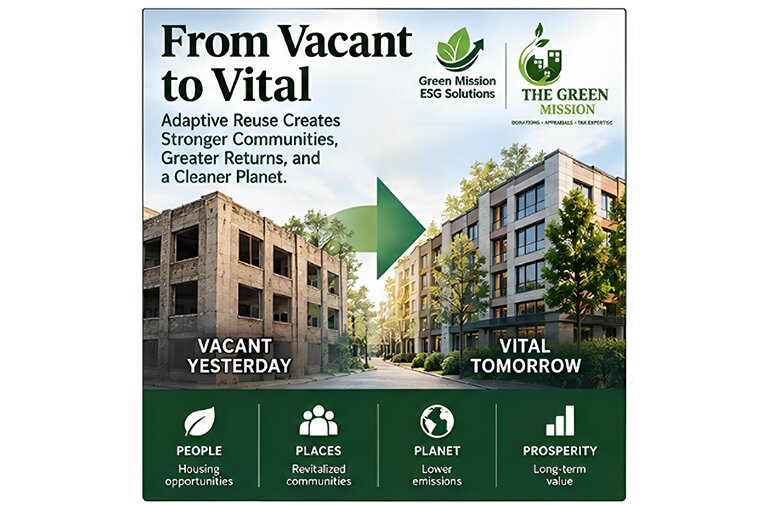
Discover how adaptive reuse unlocks financial value through material recovery, deconstruction, cost savings, tax incentives, and sustainable building redevelopment.
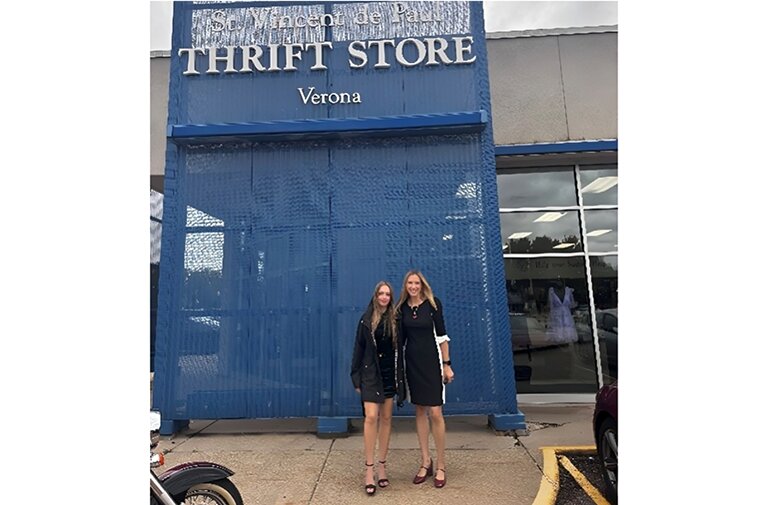
Explore how online sales and pooled inventory can strengthen the secondary retail market and improve the economics of reclaimed and reused materials.
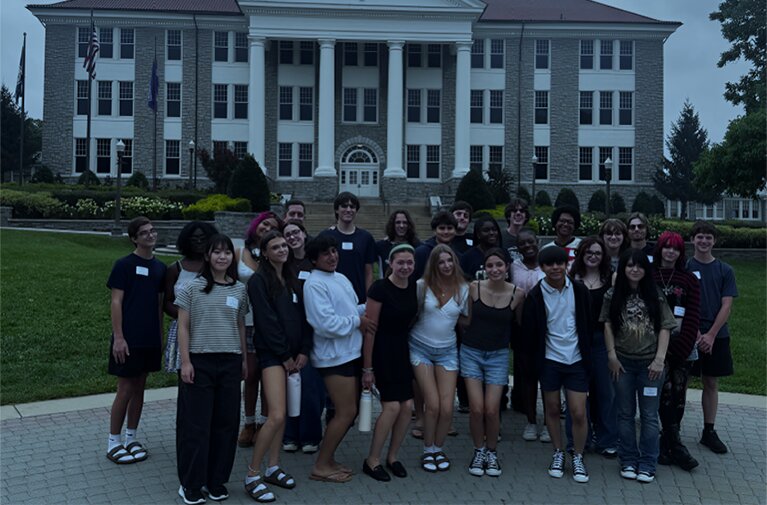
This past weekend, one of our Youth Coalition members, Annabelle Marschall, spent time on the campus of James Madison University in Harrisonburg, Virginia and looked closely at how a large public university actually operates when it takes sustainability seriously.

The One Big Beautiful Bill Act (OBBBA), signed into law on July 4, 2025, in my opinion represents the most consequential restructuring of the federal charitable deduction in a generation.
The reclaimed lumber trade is a large and growing global market, but antique barn lumber occupies a narrow, idiosyncratic corner of it.
Every deconstruction appraisal we complete at The Green Mission Inc. rests on a single economic question: what would a willing buyer pay a willing seller for this material in its most relevant secondary market? In other words, the IRS official definition of Fair Market Value.
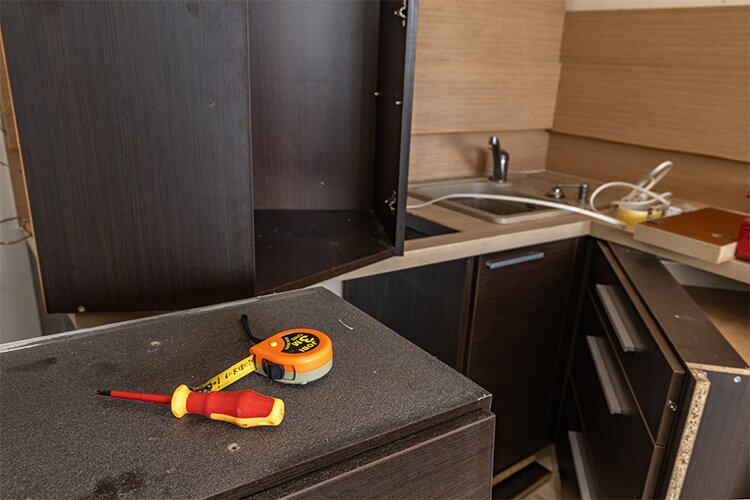
The valuation of materials and fixtures within real estate depends heavily on their attachment to the property versus their status as detached personal property.

Valuation, Salvage, and the National Landscape for Commercial and Residential Reuse