Discover how Lynchburg, VA, revitalized its downtown through historic preservation, adaptive reuse, sustainable construction, and the restoration of landmark buildings.
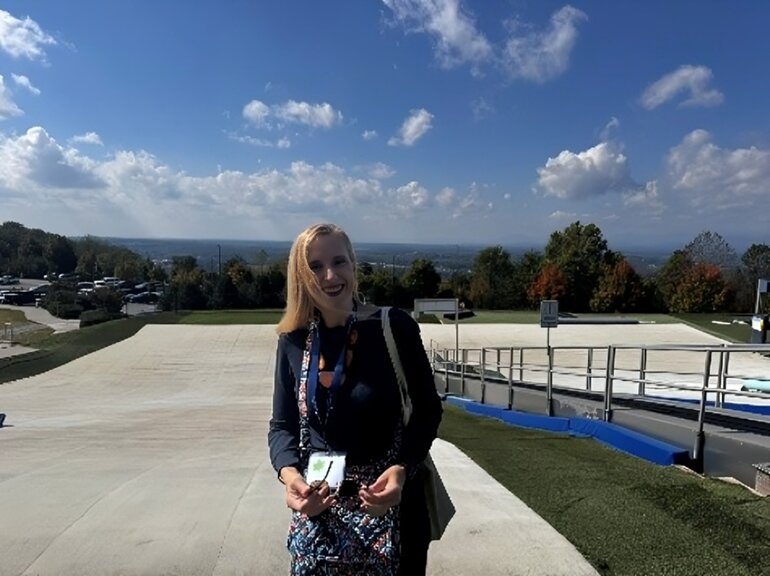

Discover how Lynchburg, VA, revitalized its downtown through historic preservation, adaptive reuse, sustainable construction, and the restoration of landmark buildings.
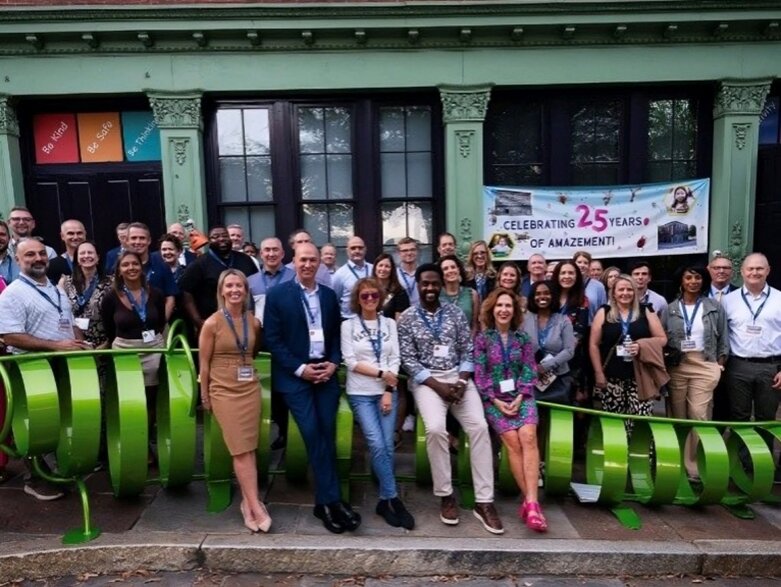
Discover historic preservation lessons from Lynchburg, Virginia, including sustainable restoration, reclaimed building materials, and preserving historic properties.

Discover sustainability lessons from Ecuador’s Finca Palugo, where composting, reclaimed building materials, and intentional living inspire a greener future.
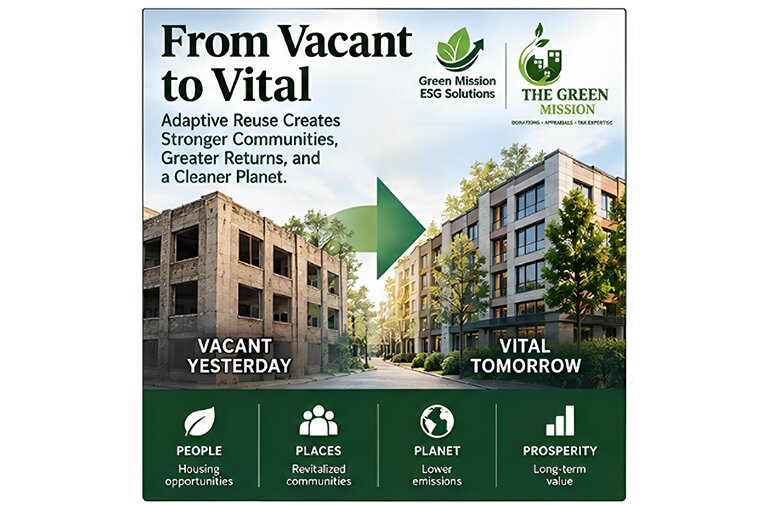
Discover how adaptive reuse unlocks financial value through material recovery, deconstruction, cost savings, tax incentives, and sustainable building redevelopment.
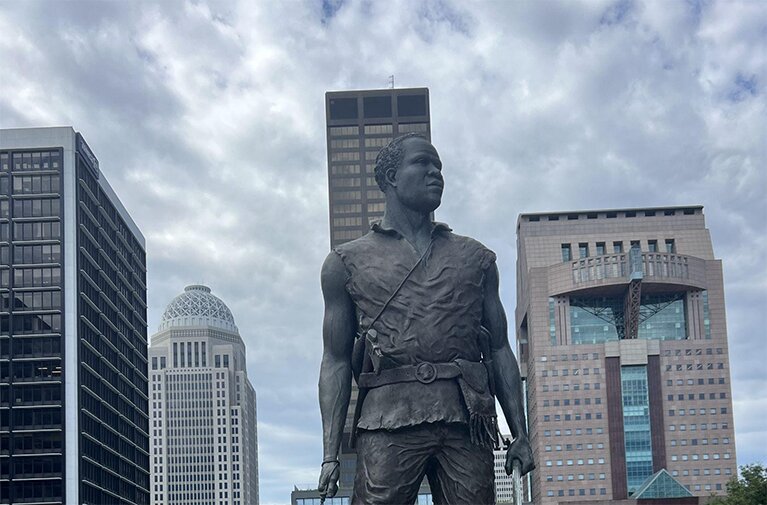
Discover how Louisville is giving historic buildings new purpose through adaptive reuse, preservation, and material reuse while supporting sustainable development.
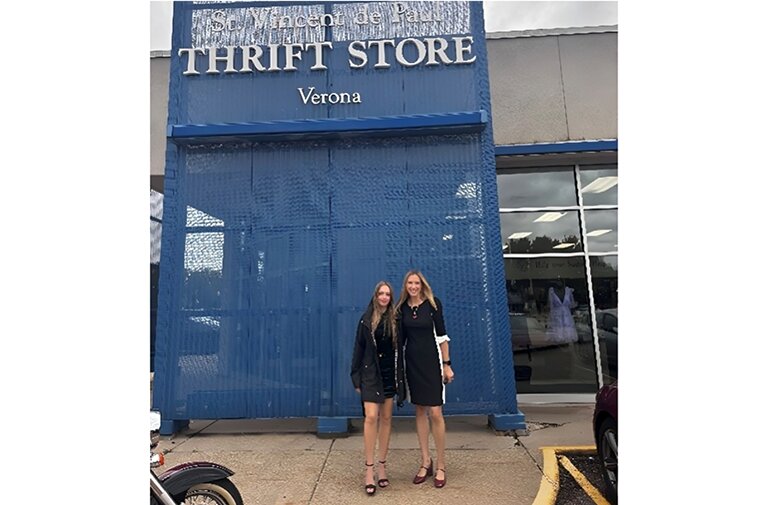
Explore how online sales and pooled inventory can strengthen the secondary retail market and improve the economics of reclaimed and reused materials.
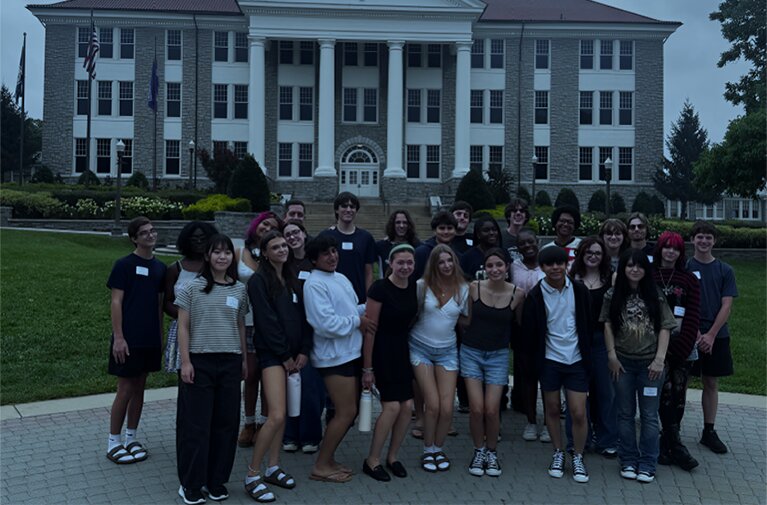
This past weekend, one of our Youth Coalition members, Annabelle Marschall, spent time on the campus of James Madison University in Harrisonburg, Virginia and looked closely at how a large public university actually operates when it takes sustainability seriously.
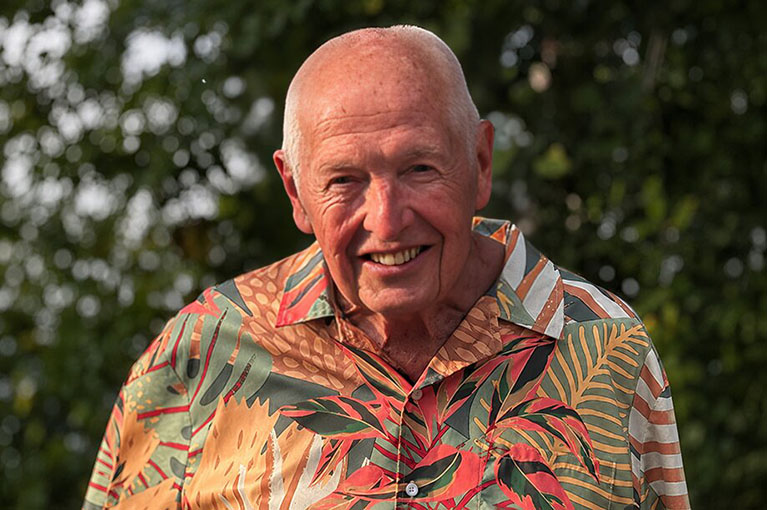
When I started teaching, we raised our family on a schoolteacher’s paycheck, and stretching that paycheck at the grocery store was a serious part of the family business.
Discover lessons in thrift, budgeting, repair, and reuse from 91 years of Wisconsin life in this Youth Coalition article by Donald W. Marschall.

The One Big Beautiful Bill Act (OBBBA), signed into law on July 4, 2025, in my opinion represents the most consequential restructuring of the federal charitable deduction in a generation.