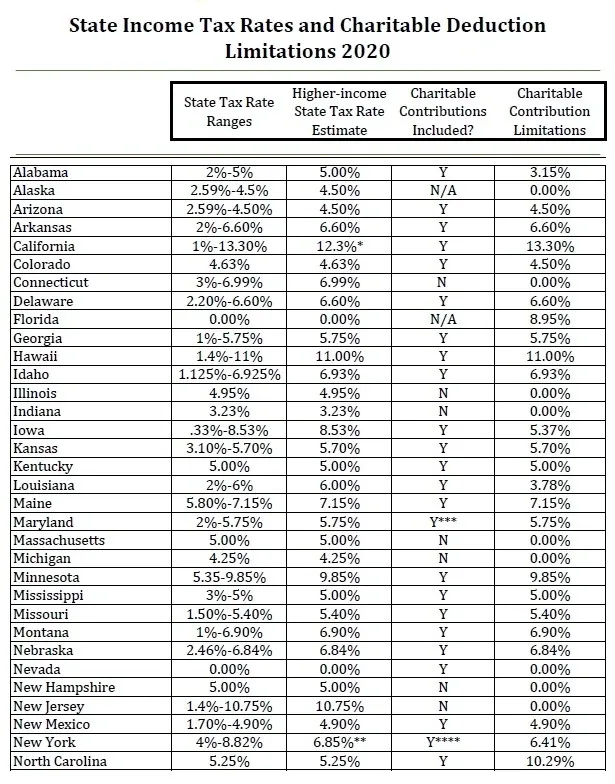
The One Big Beautiful Bill (OBBB), passed in 2025, includes several sweeping changes to the U.S. tax code, many of which directly impact charitable giving strategies, particularly for taxpayers who itemize deductions. One of the most consequential changes is the introduction of a 0.5% adjusted gross income (AGI) floor on non-cash charitable contributions, which restricts the deductibility of lower-value in-kind gifts. However, an equally important and often overlooked change is the reinstatement of a cap on total itemized deductions, a provision that mirrors the spirit and structure of the former Pease limitation.

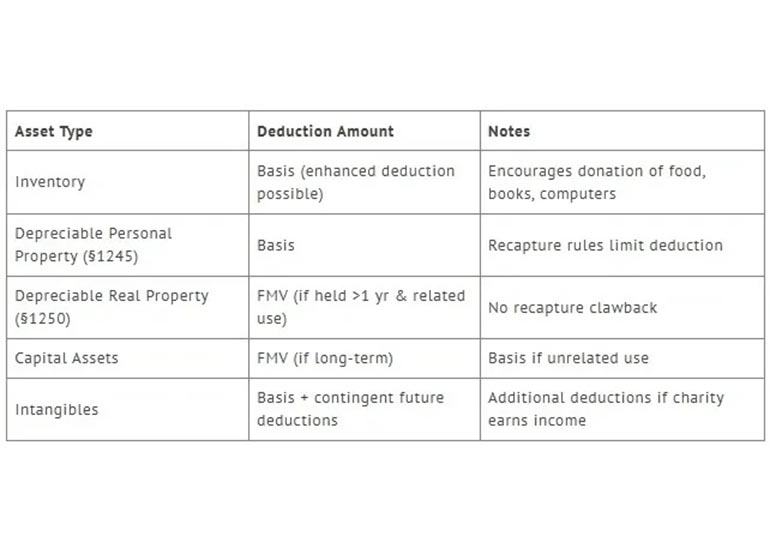
The Internal Revenue Code (IRC) Section 170 provides valuable tax incentives for C Corporations to donate inventory to qualified charitable organizations. Specifically, Section 170(e)(3) allows an enhanced charitable deduction for inventory donations, a provision designed to encourage businesses to contribute surplus goods to nonprofits rather than discarding them or selling them at a loss. Below, we explore the details of this provision, including how the deduction is calculated, substantiation requirements, and when an appraisal is necessary.

Non-cash charitable contributions, particularly those exceeding $5,000, have become a focal point for IRS enforcement and Tax Court rulings. While charitable giving provides an opportunity to benefit both the donor and the receiving organization, it also requires fastidious compliance with documentation requirements to withstand the heightened scrutiny of tax authorities. This article outlines key Tax Court cases, IRS substantiation rules, and proactive strategies for ensuring non-cash charitable contributions meet all necessary requirement.

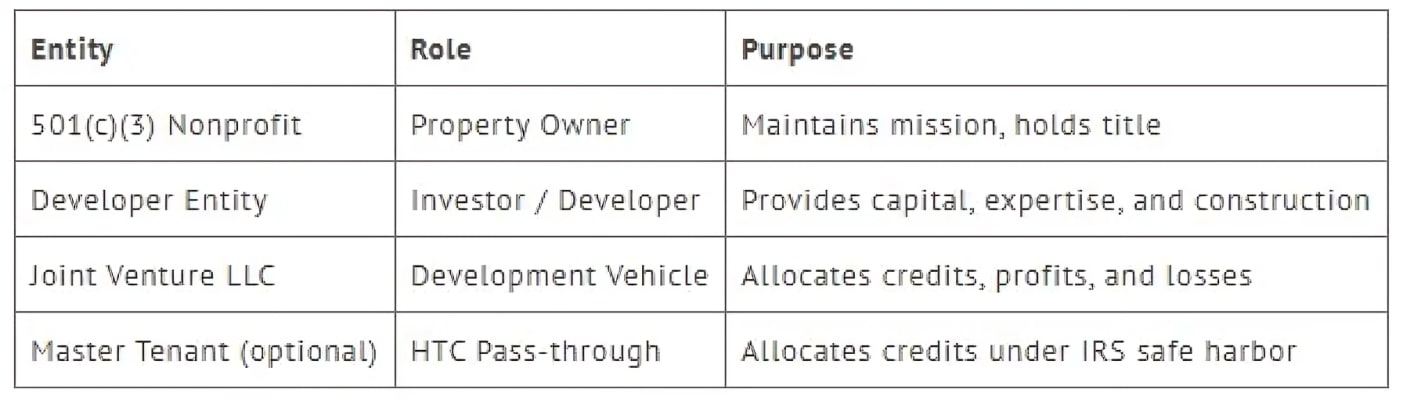
Historic preservation and deconstruction go hand-in-hand. Our CEO Jessica I. Marschall, CPA, ISA AM, recently joined the Minnesota-based Rethos Board of Directors. With her background in tax and deconstruction tax deductions, she hopes to assist in educating others about the distinctions between historic preservation versus deconstruction and encouraging the responsible and thoughtful approach to handling historic structures and materials.

After the passing of a loved one, local, state, or federal courts often request an appraisal of the decedent’s property. The inheritors and executors often face a long list of required forms and filings, which can become overwhelming. First, ensure the estate is being handled by a good attorney and CPA. Our team provides services including inventory and documentation of appraisal property and appraisal services, if required.