Since the inception of The Green Mission Inc., Probity Appraisal and recently GM-ESG, I have had the privilege of working alongside an exceptional colleague and friend, Jennie Lumpkin. From the very beginning, Jennie has been an integral part of our organization’s growth and success, shaping our approach to client service, operational excellence, and industry leadership.
My recent visit to Madrid was built around a dual focus: studying architectural salvage traditions through the city’s premier museums and buildings, and understanding how Spain is embedding deconstruction and circularity into its building sector. The combination offers a compelling case study in how a city can value its past while engineering a lower-carbon, resource-conscious future.
The Alhambra in Granada, Spain, is one of the most complete surviving examples of Islamic architecture in Europe. During a recent visit, I studied the construction and decorative features of this palace complex to gain insight into the intentionality behind each element.
The One Big Beautiful Bill (OBBB), passed in 2025, includes several sweeping changes to the U.S. tax code, many of which directly impact charitable giving strategies, particularly for taxpayers who itemize deductions. One of the most consequential changes is the introduction of a 0.5% adjusted gross income (AGI) floor on non-cash charitable contributions, which restricts the deductibility of lower-value in-kind gifts. However, an equally important and often overlooked change is the reinstatement of a cap on total itemized deductions, a provision that mirrors the spirit and structure of the former Pease limitation.
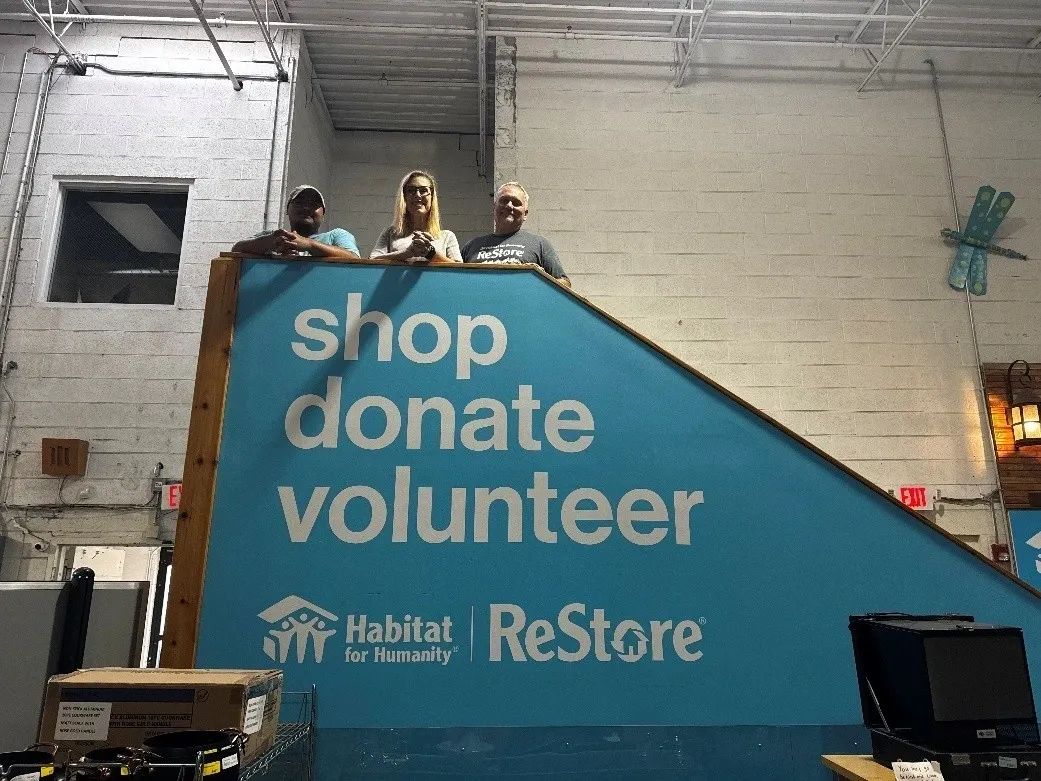
At The Green Mission and GM ESG Solutions, we believe that sustainable progress is driven by strong collaborations, shared vision, and boots-on-the-ground dedication.
Charitable Giving Under the One Big Beautiful Bill Act: A New Era of Incentives and Complexity, Especially for Non-Cash Donations
During my recent meetings in Chicago for both MAS LLC, my tax consultancy, and The Green Mission Inc., our sustainability and valuation firm, I was reminded why the city and the broader Upper Midwest remain national leaders in the deconstruction and reuse movement. From forward- thinking policy to grassroots innovation, this region fosters one of the most engaged and thoughtful circular economies in the country. The partnerships I have developed here over the years continue to inspire me, as do the organizations and individuals leading this work.
At The Green Mission Inc., we specialize in the valuation of architectural elements salvaged from historically significant commercial and residential properties across the United States. These include entire limestone and terracotta facades, carved friezes, monumental cornices, and ornate window surrounds—as well as interiors composed of antique hardwood millwork, decorative lighting, reclaimed wood flooring, and vintage plumbing fixtures.
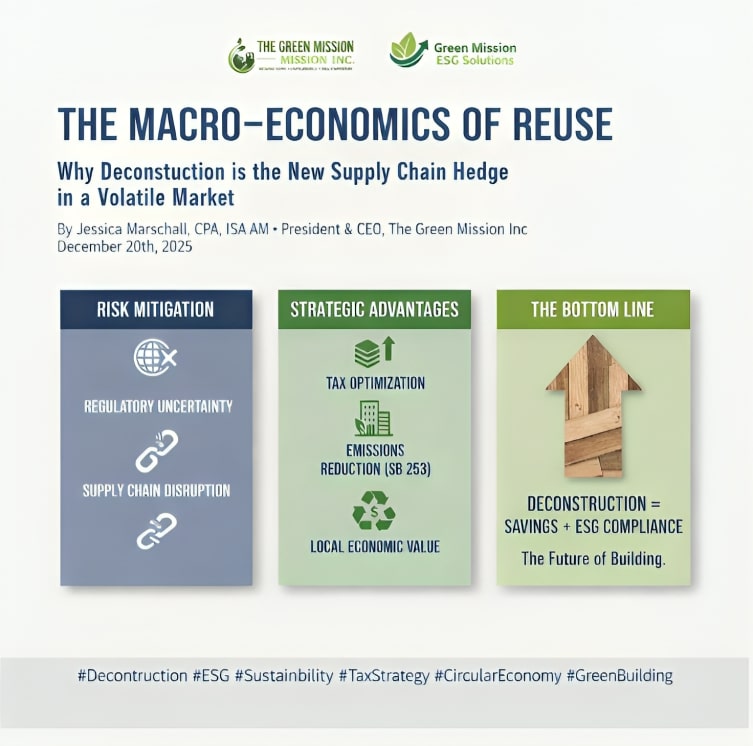
The construction industry is undergoing a fundamental transformation—one driven not only by climate urgency but by market logic. According to McKinsey & Company’s recent article, “How Circularity Can Make the Built Environment More Sustainable,” the adoption of circular practices in construction could reduce up to 75 percent of embodied carbon emissions by 2050 and create as much as $360 billion in net value gains across key building materials. These gains are not speculative—they are grounded in realistic shifts in material sourcing, reuse, and system redesign.
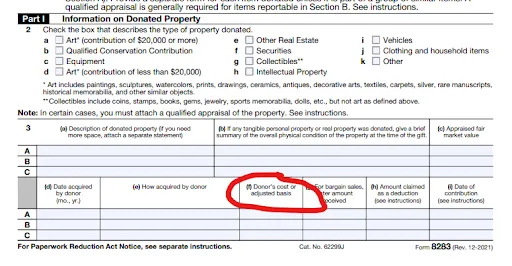
When you make a non-cash charitable donation over $5,000—whether it is reclaimed building materials, artwork, or furniture—you are required by the IRS to obtain a Qualified Appraisal from an IRS Qualified Appraiser. Hiring the wrong appraiser will not just impact your deduction—it could void it entirely and trigger penalties.