By necessity, deconstruction typically costs more than demolition due to the additional time needed to carefully take apart a structure with the aim of preserving the salvaged elements—opposed to the break-and-dump processes of demolition. However, these costs can be offset through tax deductions.
The most effective way to protect yourself and ensure your appraisal is accurate, fully documented, and substantiates the value is to hire an educated and competent appraiser.
The exciting work of deconstruction continues across the country with Pittsburg being the latest city to adopt a deconstruction ordinance:
Deconstruction is the process in which a building is taken apart, piece-by-piece, with the aim of salvaging and reusing as many materials as possible. The scope of a deconstruction project can be as small as a bathroom renovation or the dismantling of a larger residential or commercial structure.
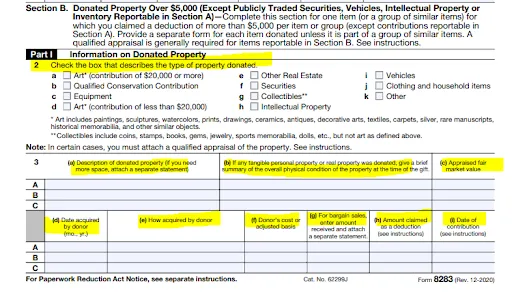
Tax policy aligning with environmental initiatives is a wonderful and rare occurrence within the Internal Revenue Code. An individual may choose to deconstruct, or “un-build” a structure and donate the materials to charity, rather than demolishing the structure and sending materials to the landfill. When donated to a 501(c)3 charity or governmental entity, a tax deduction can be taken for the IRS defined Fair Market Value of the materials, fixtures, furnishings, appliances and other property incident to the deconstruction. These materials and property have solid value on the secondary retail “resale” market.
As a practicing CPA of 19 years, mid-February is when I question my career choices as days disappear in tax and appraisal work with very little sleep. My experiences preparing work for IRS review carries over to my appraisal practice in critical ways.
Nonprofits, charities, churches, and governmental entities need charitable contributions to support their missions and operations. Whether educating children, helping families move into homes, providing drug treatment programs, delivering computers to young learners, and the many other worthy endeavors too lengthy to enumerate.
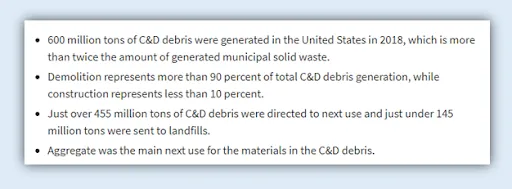
The practice of architectural preservation and green design is not a new concept to those in the business of practicing sustainable architecture methods. Both practices seek to minimize negative environmental impacts by choosing to reduce, reuse, and recycle building materials. Architects employing greater sustainability practices can often benefit considerably when they take into account the opportunities that lay in the construction and demolition (C & D) phase of the design process.
Are you a commercial property owner facing the daunting task of orchestrating a corporate clean-out or remodel? Are there perfectly reusable furnishings, appliances, desks, computers, cubicles, or cabinetry slated to be discarded now or in the future? Would you be open to learning the benefits of waste diversion and contributing to make this world a safer, greener place for generations to come? Would you also potentially like to save money in the process and feel good about your business choices?
Deconstruction is the purposeful and careful disassembly of a building so as to salvage construction materials and property suitable for reuse. The mandatory deconstruction of buildings has been implemented in cities like Portland, Oregon mandating full deconstruction for houses built in 1916 or earlier or are designated historic. The drafted resolution outlines reasons for implementation including: