


President & CEO of The Green Mission Inc., ~ GM-ESG
January 2026
After more than six decades at its Wells Street location, the Milwaukee Public Museum is embarking on the largest cultural project in Wisconsin history. The $240 million initiative will relocate the museum to a striking new facility in the Haymarket neighborhood adjacent to the Deer District, where it will be reborn as the Nature & Culture Museum of Wisconsin in 2027.
Why the Move?
The current museum building, completed in 1962, faces approximately $100 million in deferred capital maintenance. Chronic water infiltration, burst pipes, and environmental issues in the basement have threatened the safety of the museum’s 4 million artifacts and specimens. These conditions led the American Alliance of Museums to table the museum’s accreditation until significant progress could be demonstrated toward a new facility.
The new 200,000-square-foot building, designed by Ennead Architects and Milwaukee’s Kahler Slater, draws inspiration from the geological formations at Mill Bluff State Park and the confluence of Milwaukee’s three rivers—the Milwaukee, Kinnickinnic, and Menomonee. The building’s exterior will feature concrete designed to resemble the light sandstone that gave “Cream City” its name.
Sustainability Features in the New Museum
The Nature & Culture Museum of Wisconsin has been thoughtfully designed with sustainability as a core principle. The museum will incorporate LEED and WELL concepts throughout its construction and operations. Key sustainable features include:
Green Infrastructure: The facility will feature a green roof, rain gardens, and stormwater retention and detention systems to manage water runoff sustainably.
Energy Efficiency: The building incorporates passive core and shell design, seasonal setpoints, and natural atrium ventilation to minimize energy consumption.
Low-Carbon Materials: Construction utilizes low-carbon materials, low-carbon refrigerants, and void-formed structural elements to reduce the building’s environmental footprint.
Wildlife-Friendly Design: Bird-friendly glass and pollinator-friendly landscaping with native plantings support local ecosystems.
Staff Wellness: Operable windows for staff areas promote indoor air quality and occupant comfort.
The Fate of the Original Building
Milwaukee County, which owns the Wells Street building, hired consultants GRAEF, Bear Real Estate Group, and CG Schmidt to evaluate options for the vacant structure. Their December 2025 report recommended full demolition rather than adaptive reuse, citing “insurmountable issues” with the building’s design and condition. The consultants estimate demolition will cost $12.5 to $13.5 million, while adaptive reuse could run as high as $350 million.
The site is being considered for high-density, mixed-use redevelopment with affordable housing and ground-floor commercial space, potentially accommodating 545 to 555 residential units. Milwaukee County plans to issue a request for proposals in mid-2026 for acquisition of the site.
Charitable Donation Opportunities
For building owners considering deconstruction, the tax benefits can be substantial depending upon the tax type of property and the basis. When building materials are donated to qualified 501(c)(3) organizations, property owners may claim charitable deductions based on IRS-qualified appraisals of the fair market value of donated materials. These deductions can often offset or exceed the additional costs of deconstruction versus traditional demolition, making sustainable building removal economically advantageous. See our website for more articles than you would ever want to read about these tax deductions!
Preserving What Matters
The museum’s move involves carefully packing and relocating more than 4 million objects and specimens. The first phase of packing began with 23,000 glass and ceramic items from the History collections. All county-owned collections—fossils, artifacts, and specimens—will be preserved and moved to the new museum or into a separate 50,000-square-foot offsite storage facility.
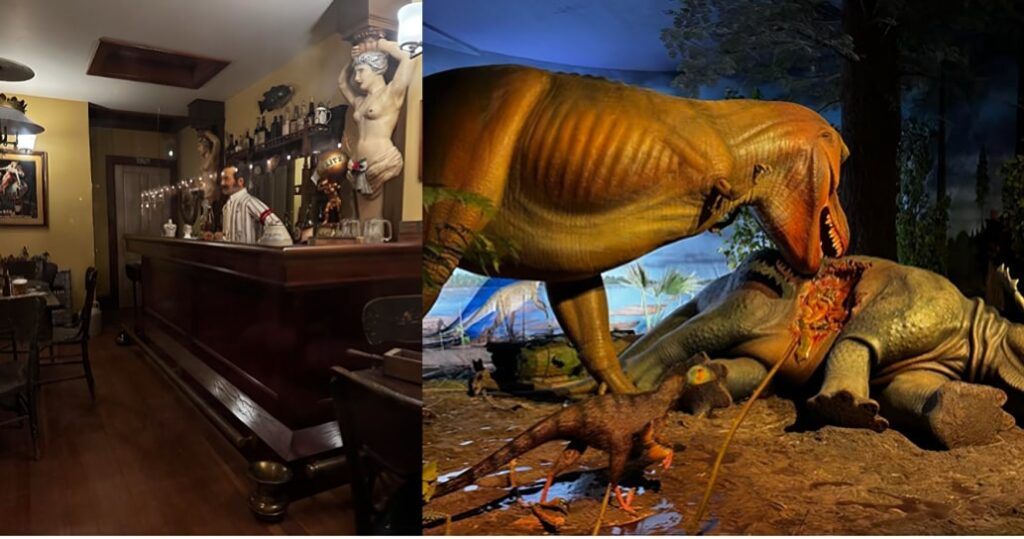
For non-collection items that cannot be moved to the new facility—mannequins, props, exhibit decorations, and office equipment—the museum has prioritized repurposing. Fan favorites like Granny from the Streets of Old Milwaukee, the penny farthing bicycle, and Abby the meowing cat will make the journey to the Nature & Culture Museum. Other items may be gifted, sold, or disposed of according to a plan presented to Milwaukee County’s Parks Committee.
Looking Forward
The current Milwaukee Public Museum will remain open through 2026, with a final closing date of January 3, 2027. The museum is celebrating its final year with “Greatest Hits” programming honoring iconic exhibits including the famous Milwaukee-style dioramas, the Rainforest, Puelicher Butterfly Vivarium, Streets of Old Milwaukee, and European Village.
As Wisconsin’s most-visited museum prepares to transition to its sustainable new home, this project represents more than a change of address—it’s a commitment to environmental stewardship that aligns with the museum’s mission of inspiring curiosity and protecting our world’s natural and cultural diversity.
—
For more information about the Nature & Culture Museum of Wisconsin, visit mpm.edu/future.