This past weekend, our team completed comprehensive inspections of five promising deconstruction projects across New York City, spanning Queens, Manhattan, and the Bronx. These site visits represent a significant expansion of our sustainable building material recovery services into one of the nation’s most architecturally rich markets.
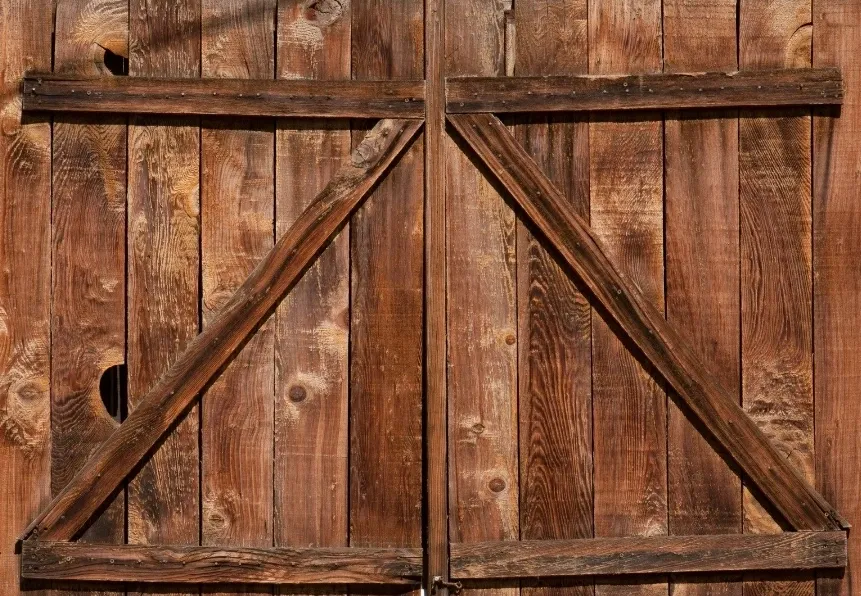
Antique barns remain one of the richest sources of high-quality reclaimed softwood and hardwood in North America.
Since the inception of The Green Mission Inc., Probity Appraisal and recently GM-ESG, I have had the privilege of working alongside an exceptional colleague and friend, Jennie Lumpkin. From the very beginning, Jennie has been an integral part of our organization’s growth and success, shaping our approach to client service, operational excellence, and industry leadership.
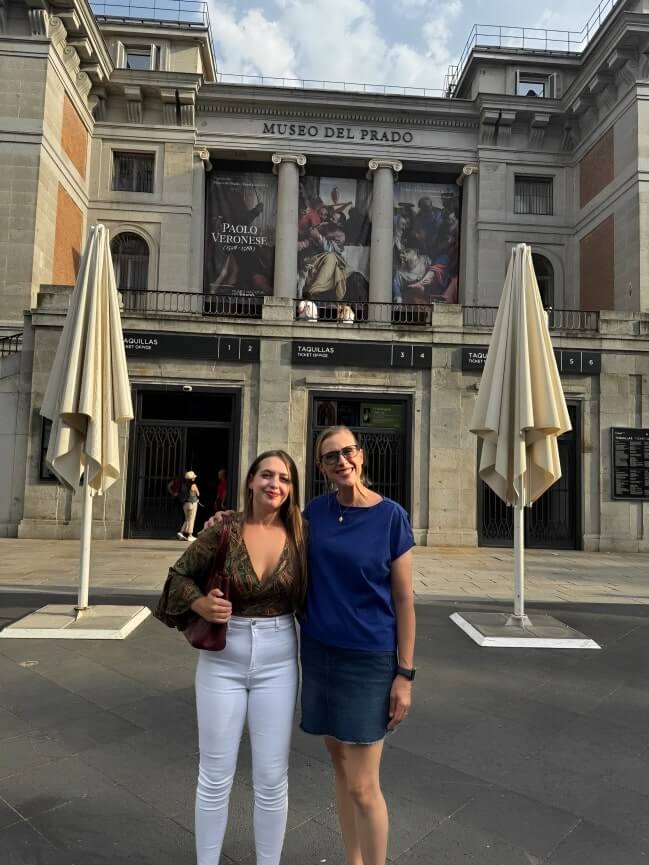
My recent visit to Madrid was built around a dual focus: studying architectural salvage traditions through the city’s premier museums and buildings, and understanding how Spain is embedding deconstruction and circularity into its building sector. The combination offers a compelling case study in how a city can value its past while engineering a lower-carbon, resource-conscious future.
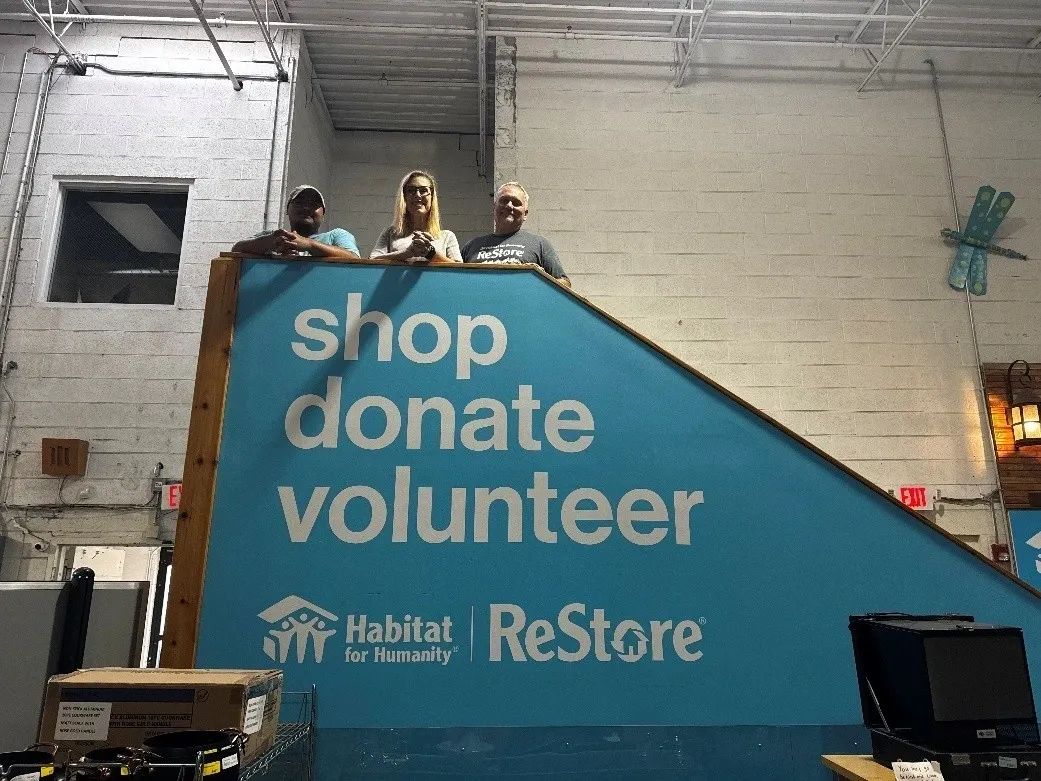
At The Green Mission and GM ESG Solutions, we believe that sustainable progress is driven by strong collaborations, shared vision, and boots-on-the-ground dedication.
During my recent meetings in Chicago for both MAS LLC, my tax consultancy, and The Green Mission Inc., our sustainability and valuation firm, I was reminded why the city and the broader Upper Midwest remain national leaders in the deconstruction and reuse movement. From forward- thinking policy to grassroots innovation, this region fosters one of the most engaged and thoughtful circular economies in the country. The partnerships I have developed here over the years continue to inspire me, as do the organizations and individuals leading this work.
The construction industry is undergoing a fundamental transformation—one driven not only by climate urgency but by market logic. According to McKinsey & Company’s recent article, “How Circularity Can Make the Built Environment More Sustainable,” the adoption of circular practices in construction could reduce up to 75 percent of embodied carbon emissions by 2050 and create as much as $360 billion in net value gains across key building materials. These gains are not speculative—they are grounded in realistic shifts in material sourcing, reuse, and system redesign.
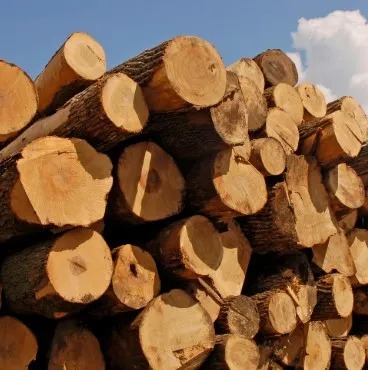
The choice of lumber used in residential home construction in the United States is heavily influenced by regional forest resources, climate conditions, and supply chain logistics. While most homes utilize standard dimensional lumber, the species and grades vary considerably based on location. This article outlines the most commonly used framing lumber types across major U.S. regions.
Two decades after the inception of the “deconstruction” movement, the secondary market for reused building materials remains underwhelming in both demand and value. Despite tens of millions of dollars awarded to individuals and organizations for regional assessments, feasibility studies, model programs, and attempts to create uniform sales practices, the fundamental issues persist:
In recent years, deconstruction has emerged as a powerful force driving sustainability in the construction and renovation industry. By prioritizing the careful disassembly and salvage of materials, deconstruction not only reduces waste but also contributes to the reuse and recycling industry. Crucially, one of the key drivers behind the increasing adoption of deconstruction by homeowners is the availability of financial incentives, particularly in the form of tax benefits. Here, we delve into how these tax benefits are helping propel the reuse and recycle industry forward while providing homeowners with compelling reasons to choose deconstruction over traditional demolition.