

By Jessica Irving Marschall, CPA, ISA AM, with Annabelle M. Marschall, Youth Coalition Member
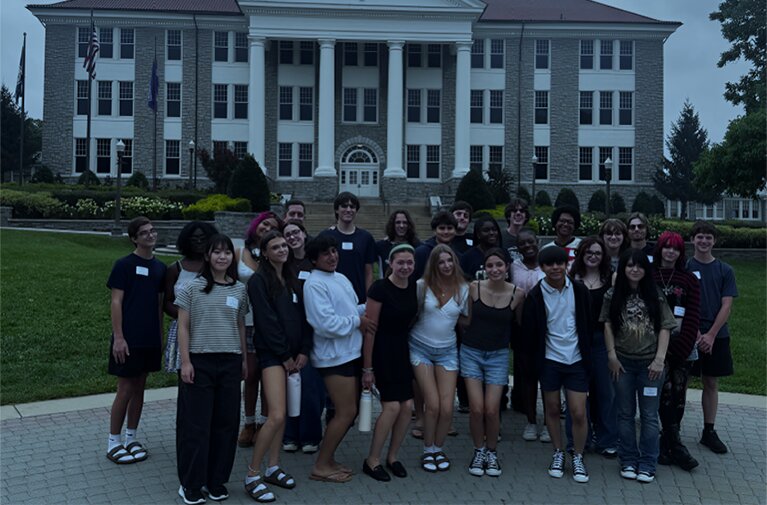
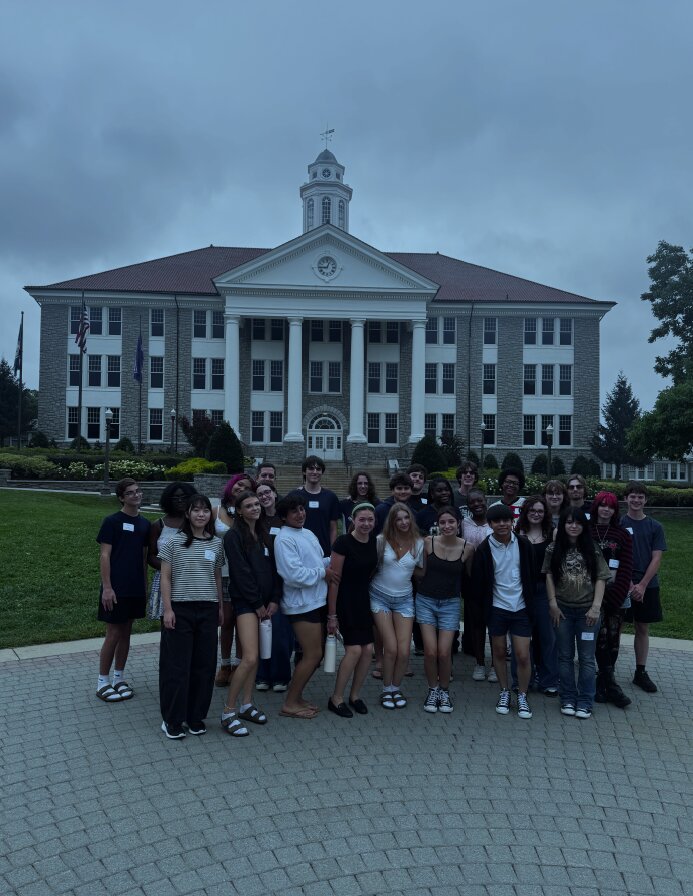
This past weekend, one of our Youth Coalition members, Annabelle Marschall, spent time on the campus of James Madison University in Harrisonburg, Virginia and looked closely at how a large public university actually operates when it takes sustainability seriously. JMU incorporates a working system, and the dining halls were the most striking part of it.
Dining Without the Landfill
JMU serves tens of thousands of meals every week, and the institution treats each of those meals as a resource decision rather than a disposal problem. JMU Dining operates a program it describes as working toward zero waste, built on three pillars. First, extensive recycling of cardboard, metal, paper, glass, and accepted plastics, along with harder items such as batteries and printer cartridges. Second, collaborative composting of food scraps and compostable service items, including napkins and wooden stir sticks, which are converted into nutrient-rich soil amendments rather than sent to a landfill. Third, and most impressive from an operational standpoint, proactive prevention: the culinary team uses tracking and forecasting tools to identify food waste trends and adjust preparation before the waste occurs.
That last piece is what was most noticed. The absence of overflowing bins was not an accident but rather the product of production planning, and it was visible on the serving lines. Periodic “Wipe Out Waste” events reinforce the message with students directly, and Market 64 offers reusable to-go containers so that convenience does not come at the cost of single-use packaging.
Where surplus does occur, it is redirected rather than discarded. In fiscal year 2025, JMU Dining donated $76,000 to the JMU Food Pantry, provided 4,000 meal swipes to students, and delivered more than 5,800 pounds of food to the Blue Ridge Area Food Bank. Unsold items are sold at steep discounts through a partnership with Too Good To Go. The waste hierarchy that we discuss in ESG reporting, prevention first, then recovery, then recycling, then disposal, is operating in plain sight in a college cafeteria.
Farm to Table, Shenandoah Valley Style
The second half of the story is from where the food is sourced. JMU Dining maintains a full-time, on-site Sustainability Coordinator who works with the culinary team and sourcing partners, and its local supplier list reads like a tour of the Valley: Mountain View Farms, Papa Weaver’s Pork, Twin Oaks Tofu, Walnut Winds Farm, Caramont Farm, Blue Ridge Bucha, Rt 11 Potato Chips, Ula Tortilla, VA Vinegar Works, and 7 Hills Food Co., among others. Partners rotate with the seasons, which is exactly what a real farm-to-table program should look like.
The university also owns the 30-acre JMU Farm, acquired in 1929 and used today for education, outreach, and research, and it sponsors the Kelley Street Garden in Harrisonburg, where families in the Franklin Heights neighborhood grow their own vegetables and JMU Dining hosts cooking demonstrations and an annual cookout. Used coffee grounds from Broad Porch Coffee, a Valley roaster served in the dining halls, are set out for students to take home as plant fertilizer. Small touches, but they add up to a larger sustainability culture enjoyed by every student.
The Wider Framework
Dining is one expression of a commitment that runs through the whole institution. JMU signed the Talloires Declaration more than three decades ago, and its environmental stewardship model deliberately assigns responsibility to everyone on campus rather than to a single office. Facilities Management contributes through Green Seal cleaning products, water conservation, energy-efficient equipment specifications, stormwater management, and a public sustainability dashboard. Wayland Hall was the first renovated residence hall in the country to earn LEED Platinum certification. The campus holds Bee Campus USA and Tree Campus USA designations, and the university maintains sustainable procurement, construction, energy, and recycling policies.
In September 2025, the Association for the Advancement of Sustainability in Higher Education named JMU a Top Performer in Research in its Sustainable Campus Index. The recognition drew on the university’s fifth STARS submission and its second Gold rating, with more than 300 JMU scholars contributing. As Christie-Joy Hartman, Executive Director of the Institute for Stewardship of the Natural World, noted at the time, the assessment measures environmental, social, and economic dimensions together, including work on poverty and food insecurity.
Why It Matters to Us
At The Green Mission Inc. and GM-ESG, we spend our days quantifying diverted materials, documenting reuse, and building the reporting frameworks that turn good intentions into verifiable outcomes. What JMU demonstrates is that the same discipline applies to a lunch tray. Measure the inputs, forecast the demand, capture the surplus, close the loop. Our Youth Coalition member Annabelle came home with a clear picture of what that looks like at scale, and a standard worth carrying into their own schools and communities.
Sources
- JMU Facilities Management, Sustainability
- JMU Institute for Stewardship of the Natural World, Who Is Responsible
- JMU Dining, Fueling a Sustainable Future
- JMU News, JMU recognized for sustainability research, September 10, 2025
- WHSV, JMU recognized for sustainability research, September 15, 2025
- Virginia Business, JMU sustainability efforts take many forms (2013)